Best Grok Bot Alternatives (2026)
Explore the top alternatives to xAI Grok Bot in 2026. Compare Spinnable, Lindy, Relevance AI, Zapier Central, and Copilot Studio on governance, computer-use, and persistent workflows.
Selecting the right AI automation platform depends on your operational requirements - whether you need autonomous code execution, persistent role-based AI employees, or enterprise governance. This guide compares xAI Grok Bot against top AI automation alternatives in 2026.
TL;DR: Best Grok Bot Alternatives in 2026
While xAI Grok Bot excels at interactive web research and code execution, operations and enterprise teams often require persistent task execution, workflow integration, or strict access controls. Here is a summary of the top alternatives:
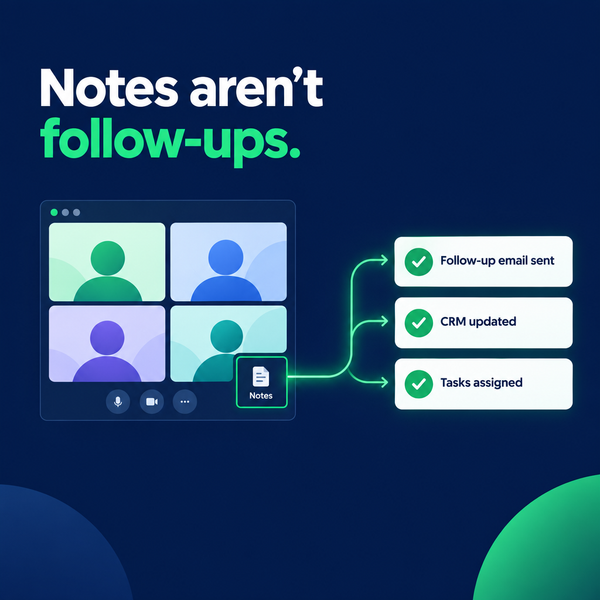
- Best for Persistent AI Workforce: Spinnable provides autonomous role-based AI employees operating 24/7 across desktop GUIs, browser tools, and human-in-the-loop approval queues.
- Best for Personal Productivity & Triage: Lindy delivers chat-triggered AI assistants tailored for email management and executive support.
- Best for Custom B2B Agent Building: Relevance AI enables B2B teams to build visual multi-agent pipelines with vector database integrations.
- Best for SaaS App Trigger Automations: Zapier Central connects conversational bots with over 6,000 app triggers in the Zapier ecosystem.
- Best for Enterprise Microsoft Ecosystems: Microsoft Copilot Studio integrates AI copilots natively with M365 tenant data and IT security controls.
At-a-Glance Platform Comparison
| Platform | Primary Architecture | Best For | Computer Use / GUI | Human-in-the-Loop | Starting Pricing (2026) |
|---|---|---|---|---|---|
| xAI Grok Bot | Web-native AI agent | Interactive web research & Python code execution | Web browser execution | Session-based review | Included with xAI Premium tier |
| Spinnable | Autonomous AI Workforce | Persistent role-based AI employees & desktop computer-use | Native desktop GUI + browser control | Built-in approval queues & Slack gates | Usage / seat-based plan |
| Lindy | AI Teammate Platform | Executive assistants & automated task triage | API-based connectors | Slack & email approval checkpoints | Flat per-agent seat pricing |
| Relevance AI | B2B Agent Builder | Modular multi-agent workforces & vector tool assignment | API & web automation | Custom workflow oversight nodes | Credit-based usage plans |
| Zapier Central | AI Bot Connector | Trigger-action conversational bots across 6,000+ apps | SaaS API integration | Manual step approvals | Zapier ecosystem add-on |
| Microsoft Copilot Studio | Enterprise Copilot | M365 tenant copilots & enterprise Graph data flows | Power Platform connectors | Enterprise IT admin governance | Per-user / capacity licenses |
1. xAI Grok Bot (Baseline Platform)
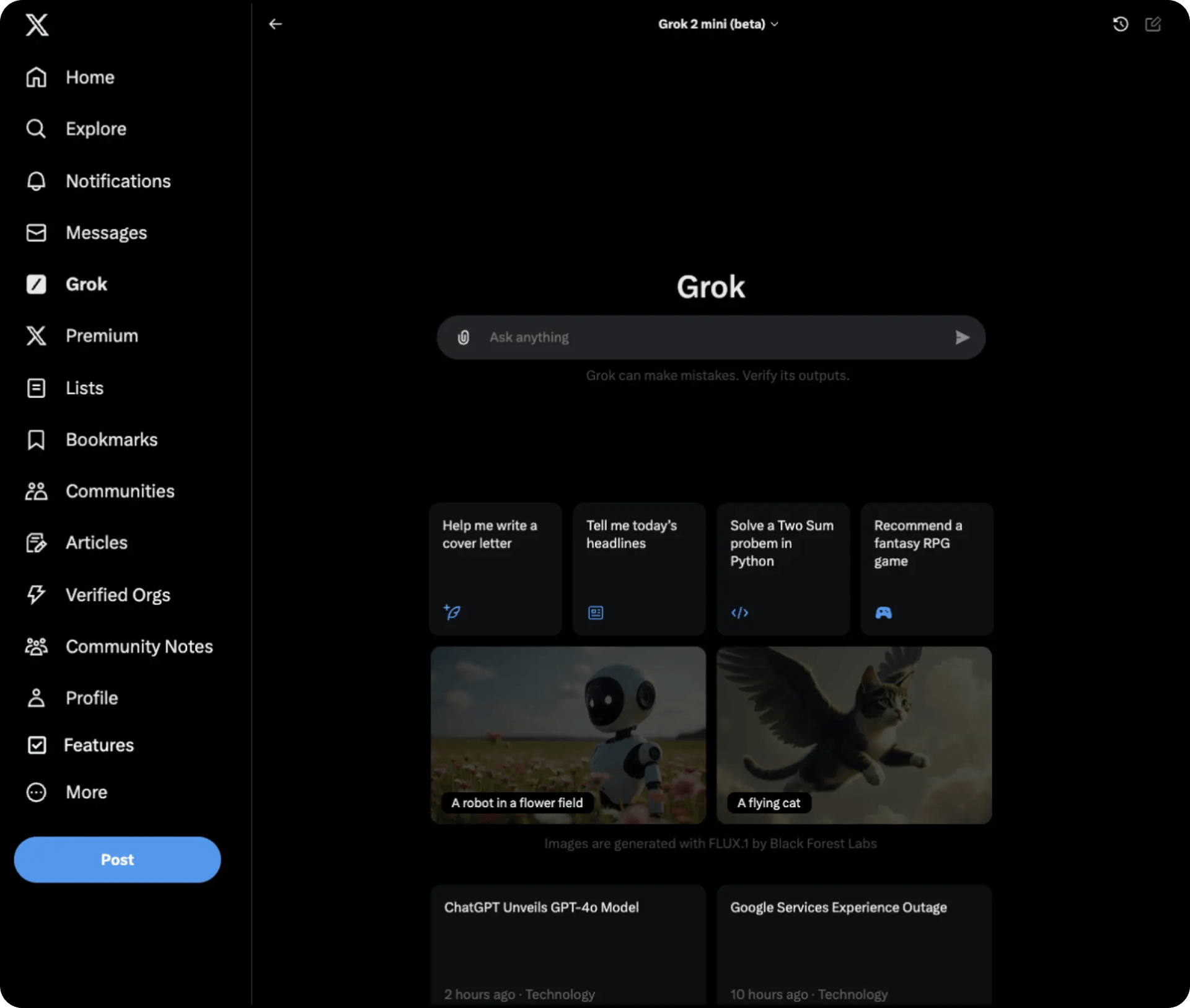
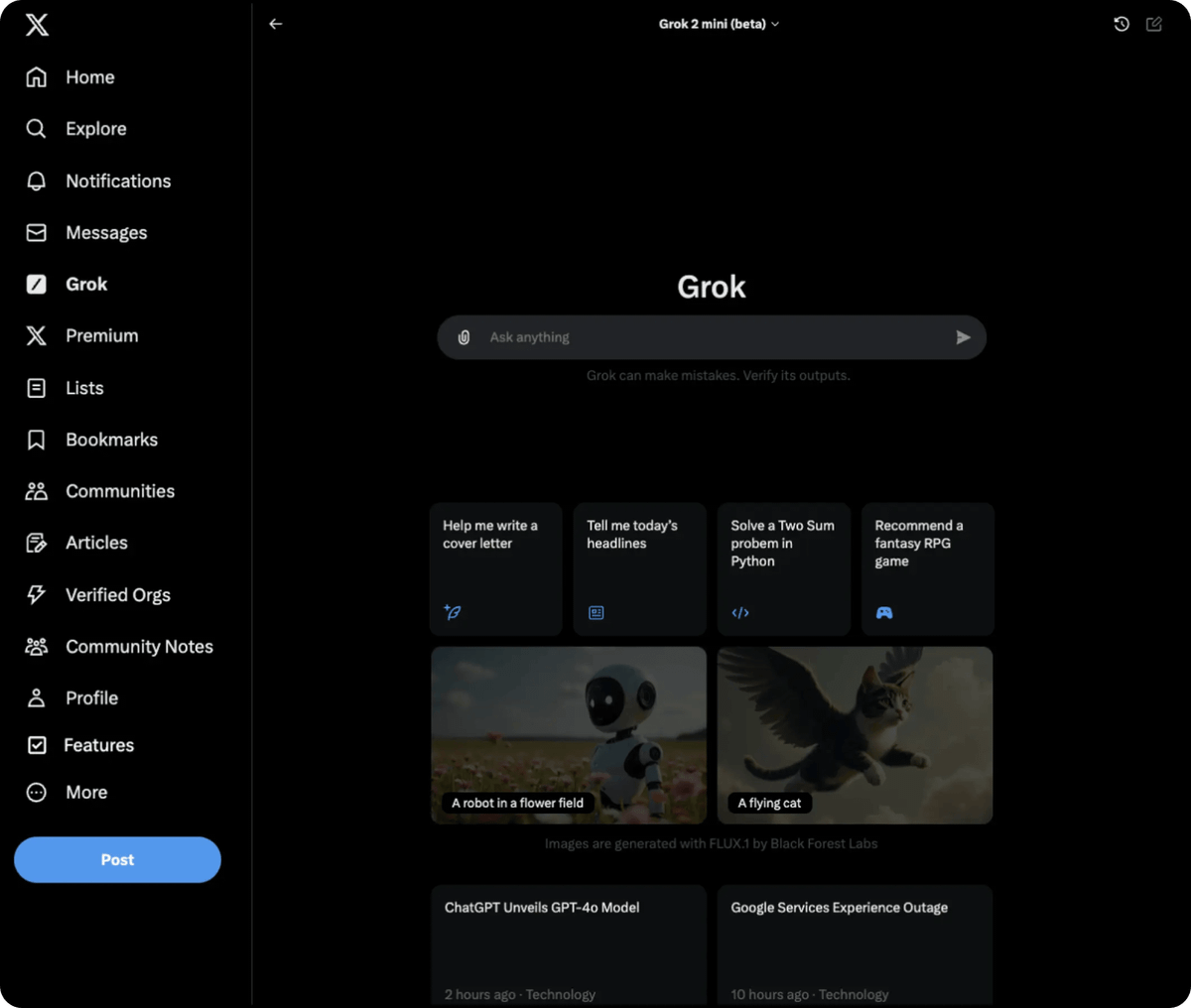
xAI Grok Bot is designed for technical users requiring real-time web research, code execution, and deep reasoning powered by xAI's frontier models.
- Best for: Developers and research engineers seeking autonomous web research and code execution environments.
- Pros: Direct access to xAI Grok LLM reasoning, fast code execution, real-time X data synthesis.
- Cons: Lacks built-in multi-role workforce orchestration, persistent app state management, and human approval queues.
- Pricing model: Included with xAI API usage tier and xAI Premium subscriptions.
- When NOT to choose: Avoid if non-technical business teams require delegated, multi-channel operational workflows with strict approval gates.
2. Spinnable (Top Autonomous AI Workforce Alternative)
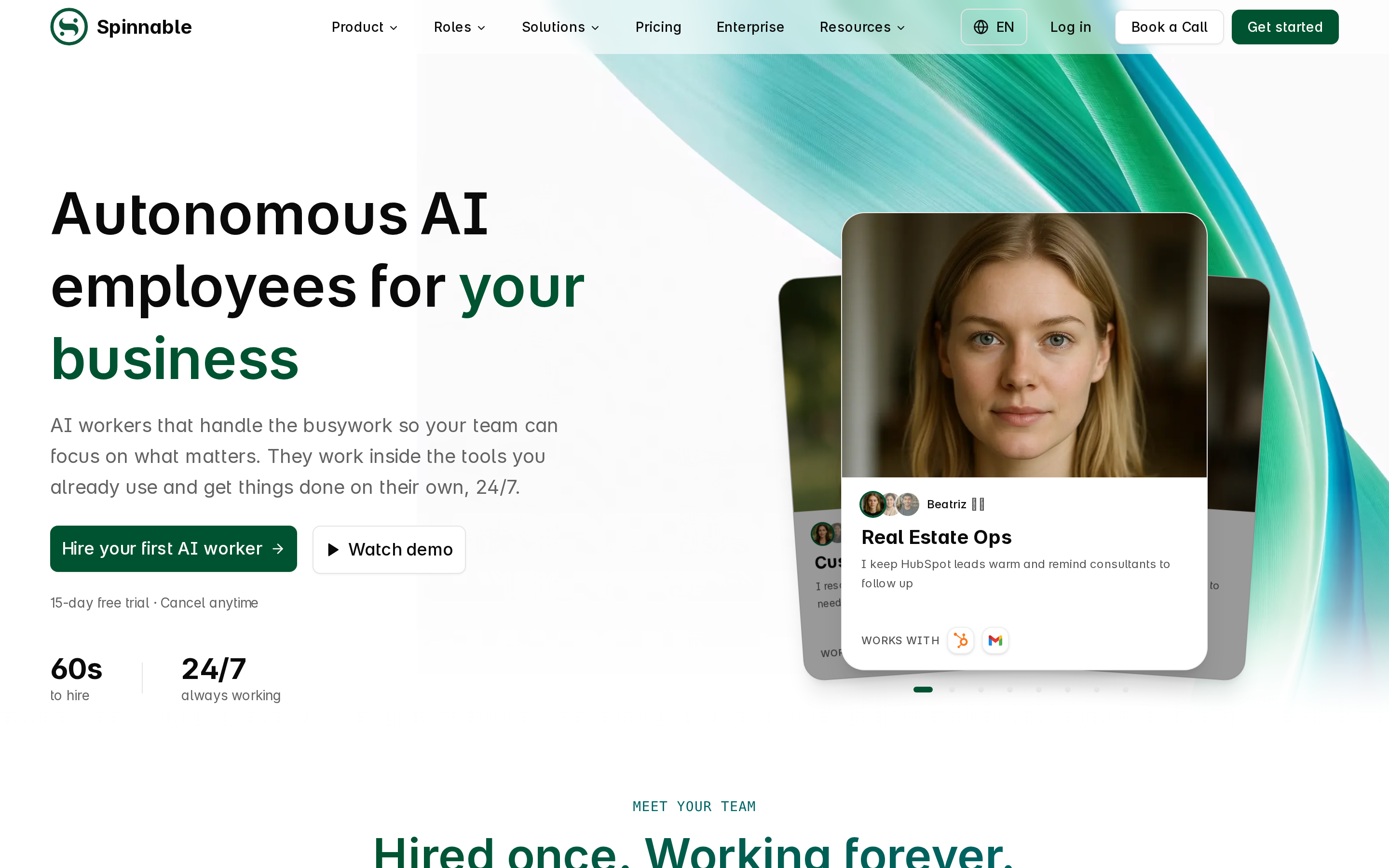
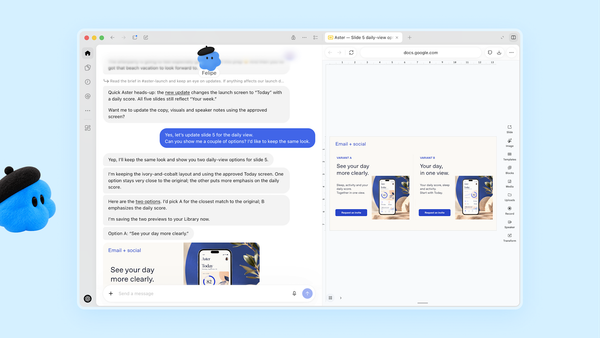
Spinnable shifts AI automation from single-prompt chatbots to persistent, role-based AI employees that operate 24/7 across your business software stack.
- Best for: Operations, sales, and support teams wanting persistent AI employees with human-in-the-loop approval queues.
- Pros: 24/7 autonomous background execution, native app connections (HubSpot, Stripe, Gmail, Notion), human approval safety gates.
- Cons: Tailored for business process automation rather than ad-hoc developer code execution.
- Pricing model: Flat monthly plans starting with a 15-day free trial.
- When NOT to choose: Do not choose if you only need a single-prompt LLM sandbox without operational role delegation.
3. Lindy (AI Assistant Teammates)
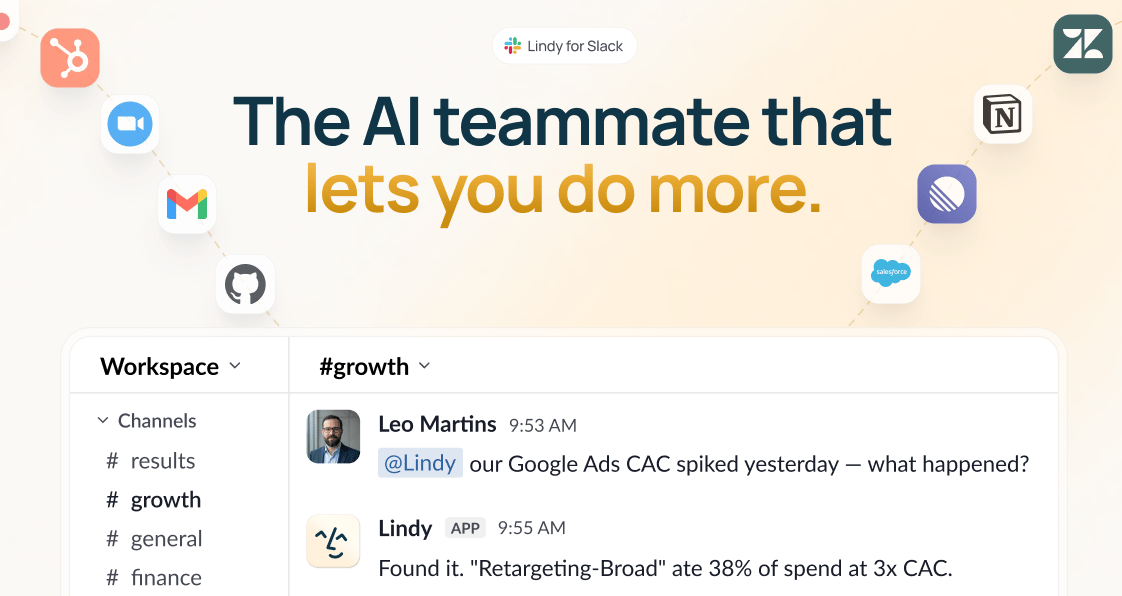
Lindy focuses on conversational AI assistants designed to handle daily executive tasks, meeting summaries, and chat-based workflows in Slack.
- Best for: Executive assistants and team leads looking for chat-triggered task automation in Slack and Gmail.
- Pros: Fast onboarding, natural language trigger setup, clean chat interface.
- Cons: Less suited for complex state-machine workflows or multi-agent backend orchestration.
- Pricing model: Tiered monthly subscriptions based on task consumption.
- When NOT to choose: Avoid if your workflows require rigid multi-step transaction approval gates or developer API scripting.
4. Relevance AI (Modular Agent Builder)
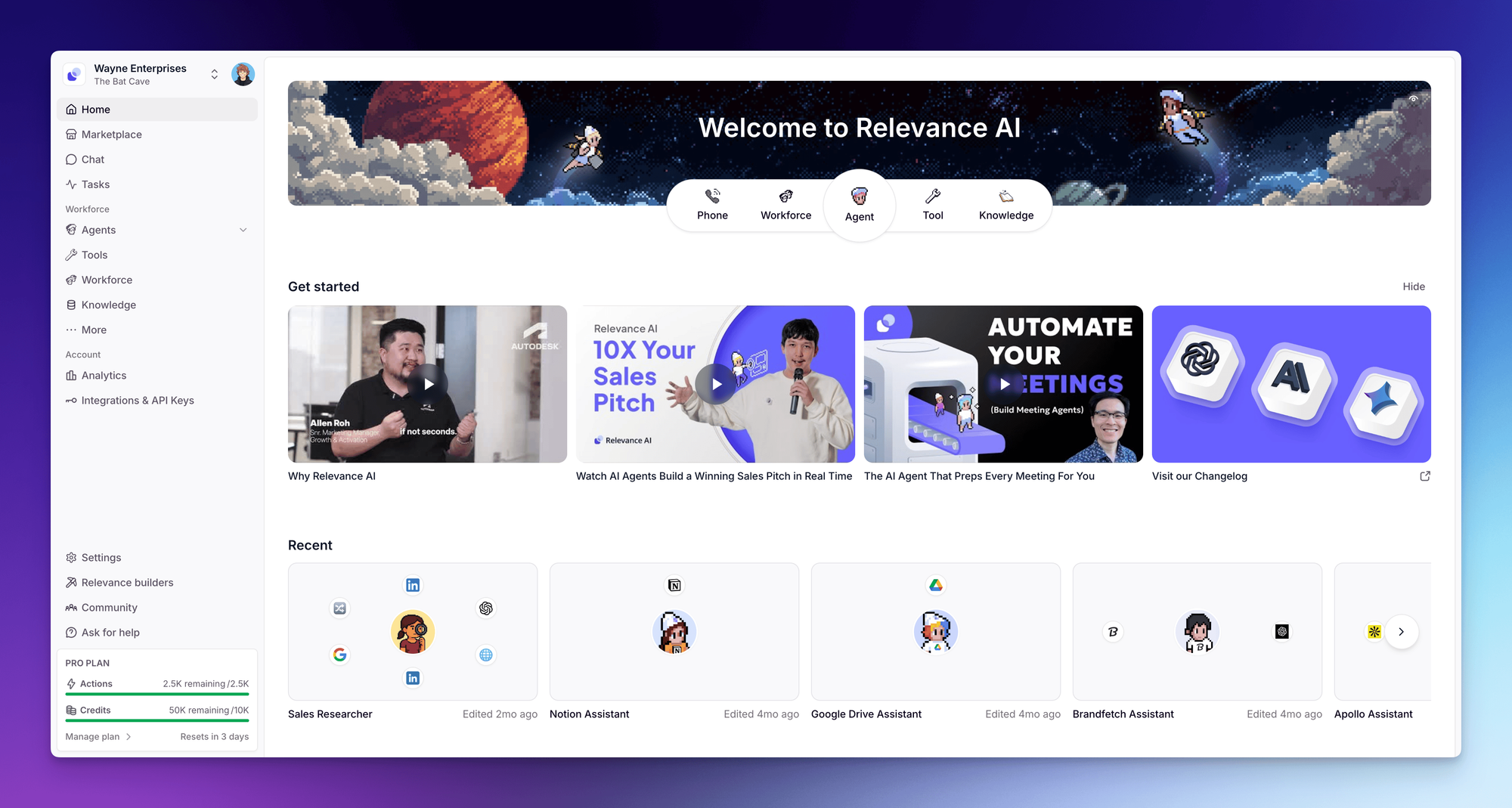
Relevance AI provides a visual canvas for technical GTM and operations teams to build custom B2B AI agents with modular steps and data transformations.
- Best for: B2B sales engineering and technical teams building structured multi-agent pipelines.
- Pros: Flexible visual canvas, rich data enrichment tools, customizable API endpoints.
- Cons: Requires configuration effort and technical understanding of agent tool nodes.
- Pricing model: Credit-based monthly plans with enterprise custom pricing.
- When NOT to choose: Avoid if you need simple out-of-the-box assistant templates without configuring node-level logic.
5. Zapier Central (Ecosystem-Wide AI Bots)
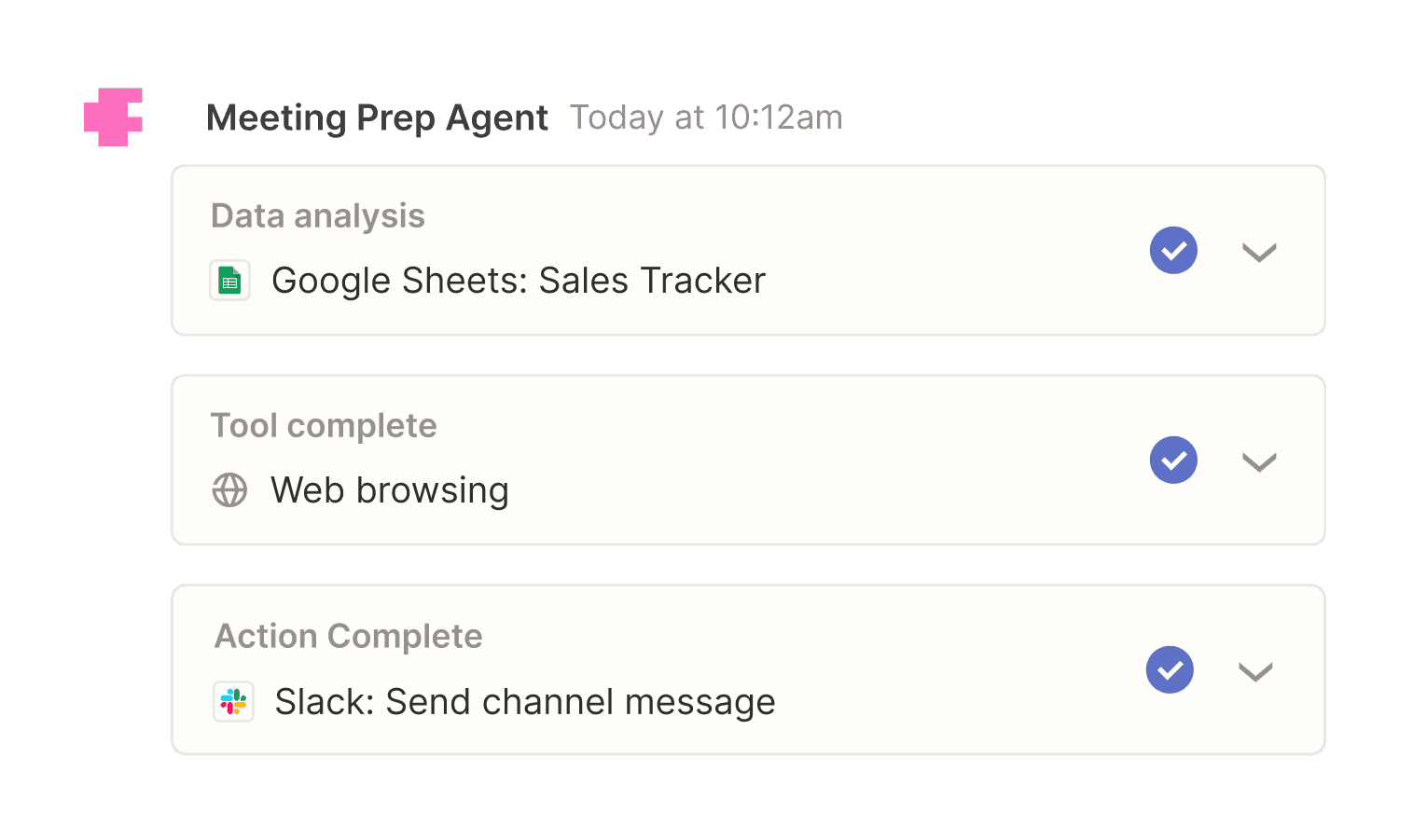
Zapier Central enables operations managers to build AI bots that monitor data across 7,000+ app connectors and trigger automated actions based on natural language rules.
- Best for: No-code operations teams wanting instant access to thousands of SaaS app integrations.
- Pros: Largest library of SaaS app connectors, instant trigger configuration, intuitive interface.
- Cons: Task volume costs can escalate rapidly for high-frequency automated processes.
- Pricing model: Add-on subscription tied to Zapier platform plans.
- When NOT to choose: Do not choose if your workflow requires custom Python execution sandboxes or open-source deployments.
6. Microsoft Copilot Studio (M365 Enterprise Copilots)
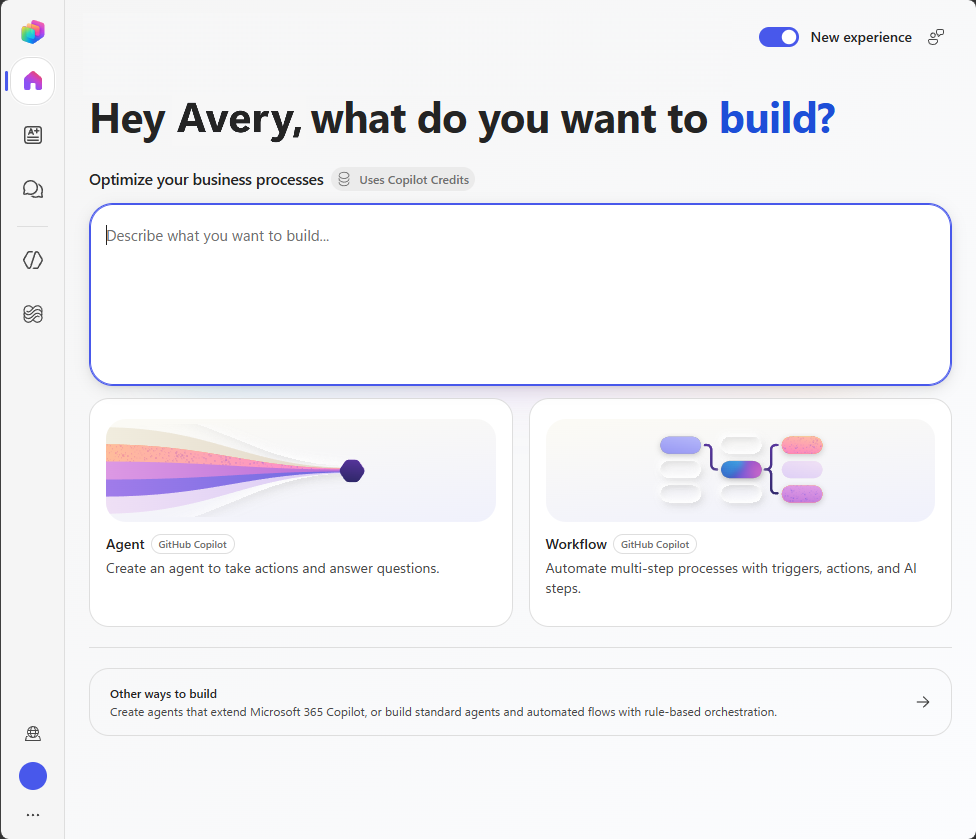
Microsoft Copilot Studio is the enterprise standard for building customized copilots deeply connected to Microsoft 365, Teams, and Power Platform data sources.
- Best for: Large enterprises requiring strict Azure AD security, Power Platform integration, and M365 governance.
- Pros: Enterprise security, seamless Teams deployment, native access to organizational knowledge graphs.
- Cons: Complex tenant administration and high enterprise licensing commitments.
- Pricing model: Tenant capacity licensing per month.
- When NOT to choose: Avoid if your company operates outside the Microsoft 365 ecosystem or requires lightweight setup.
Conclusion: Choosing the Right Alternative
While xAI Grok Bot excels at autonomous coding and research, operational business teams need persistent execution and human-in-the-loop safety. Spinnable provides the ideal persistent AI employee platform for business ops, while Relevance AI and Microsoft Copilot Studio serve technical builders and enterprise organizations respectively.
Build an AI workforce, not another single-purpose bot
Spinnable helps teams create and manage AI workers for real business workflows, with the governance and flexibility to scale beyond one-off automations.